
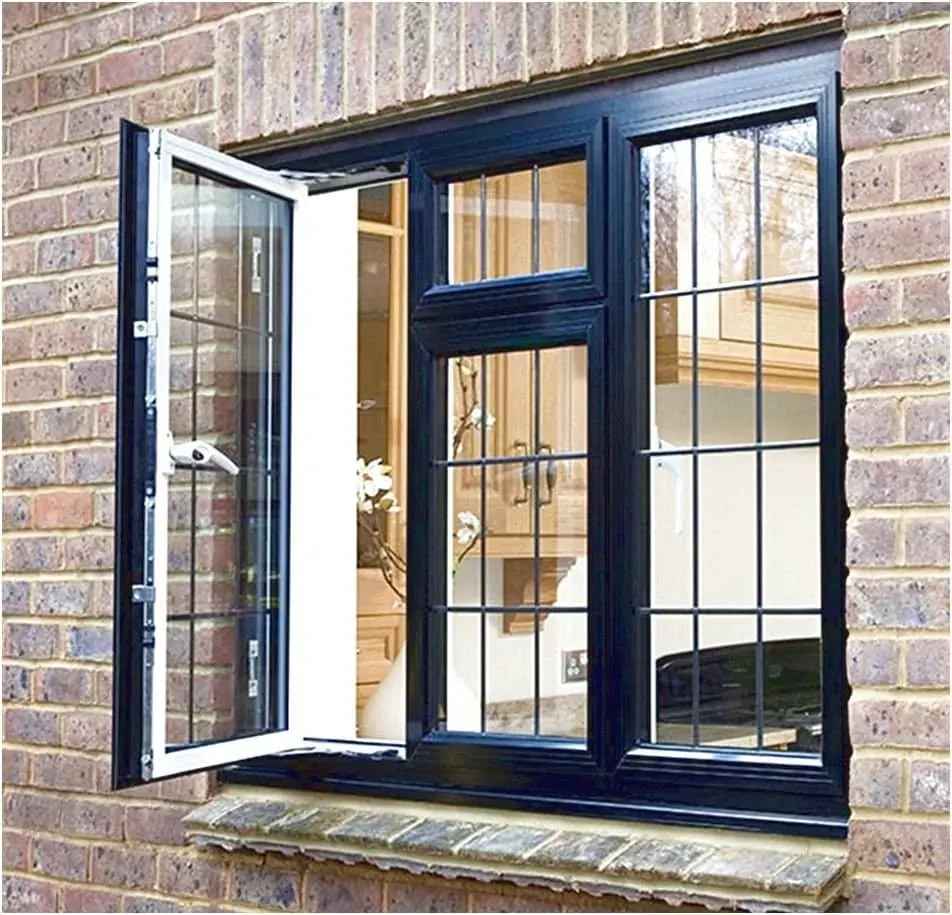
A misted window does not always point to the same cause. The first useful observation is where the moisture sits: on the room-facing surface, on the outside, or inside the space between panes. Record that location before deciding whether you need ventilation advice, a glazing assessment or a different investigation.
Moisture on the Inside Surface
Pilkington notes that internal condensation often appears where room moisture is high, such as areas affected by bathing, food preparation or other moisture-producing activities.[1] Describe what was happening in the room when the moisture appeared. Note whether it affects one opening or several and whether it changes during the day.
Review how the space is ventilated and how moisture is managed. Where practical, use the building’s intended ventilation arrangements. A persistent damp-room problem may involve more than the window, so avoid replacing a pane before the wider conditions have been considered.
Moisture on the Outside Surface
External condensation can form when the outer glass surface cools to the dew point. It can occur with insulating glazing and may clear as the pane warms or air conditions change. Orientation and nearby surroundings can affect which panes show it.[1] That observation is different from finding moisture trapped inside the sealed space between panes.
Moisture Between Panes
For an insulating glass unit, condensation between panes can indicate failure of the edge seal. Pilkington identifies this as a different issue from moisture on the accessible inner or outer surface.[1] If the unit is misted where you cannot wipe it from either accessible face, request an assessment instead of assuming ordinary surface cleaning will resolve it.
Prepare a Clear Record
- Photograph the whole opening and a close view of the moisture.
- Note the time, weather and room activity when it appeared.
- Record whether the moisture is inside, outside or apparently between panes.
- Say whether it clears later and whether neighbouring panes are affected.
- Keep the glazing specification, installation date and warranty documents available.
Condensation or Water Entry?
Describe the pattern carefully. Moisture appearing on a pane is not automatically the same as water entering around a frame during rain. If you notice water at a joint, sill or surrounding wall, include that location and the conditions in your report. It helps the installer identify which parts of the assembly need review.
Ask for the Right Assessment
Avoid starting with a demand to replace every window. Start with evidence showing where the moisture is and when it occurs. Alpro Projects can review the opening and glazing details with you, while any broader room ventilation or building-moisture issue may need to be considered by the appropriate project specialist.